Luxury Kenya Safari
Private itineraries, planned by Kenyan local guides.
The Kenya Private Safaris Difference
What we mean by a luxury Kenya safari
A luxury Kenya safari is not measured only by thread count. It is measured by the quality of the ground beneath your vehicle, the exclusivity of the conservancy you are driving through, and the judgment of the guide sitting beside you. Kenya Private Safaris designs private safari holidays across the Masai Mara’s private conservancies, the wide plateaus of Laikipia, the riverine wilderness of Samburu, the Kilimanjaro backdrop of Amboseli and the untouched red-earth expanse of Tsavo — always with a private vehicle, a dedicated guide, and an itinerary built for you and no one else.
We work exclusively with luxury tented camps, owner-run lodges and exclusive-use villas that limit vehicle density on game drives, protect low-impact wildlife viewing, and reinvest directly into conservancy land leases and community programmes. Every itinerary we build — whether a five-night Mara conservancy escape or a full three-week circuit combining the Mara, Laikipia and the coast — is drafted personally, priced transparently, and adjusted until it fits exactly how you want to travel.
Guiding experience across Kenya's private conservancies and national parks
Private vehicles and private guides — no shared group departures
Typical per-person, per-night range for a luxury conservancy safari, all-inclusive
What Makes a Kenya Safari Truly Luxury?
Luxury isn't simply a more expensive lodge
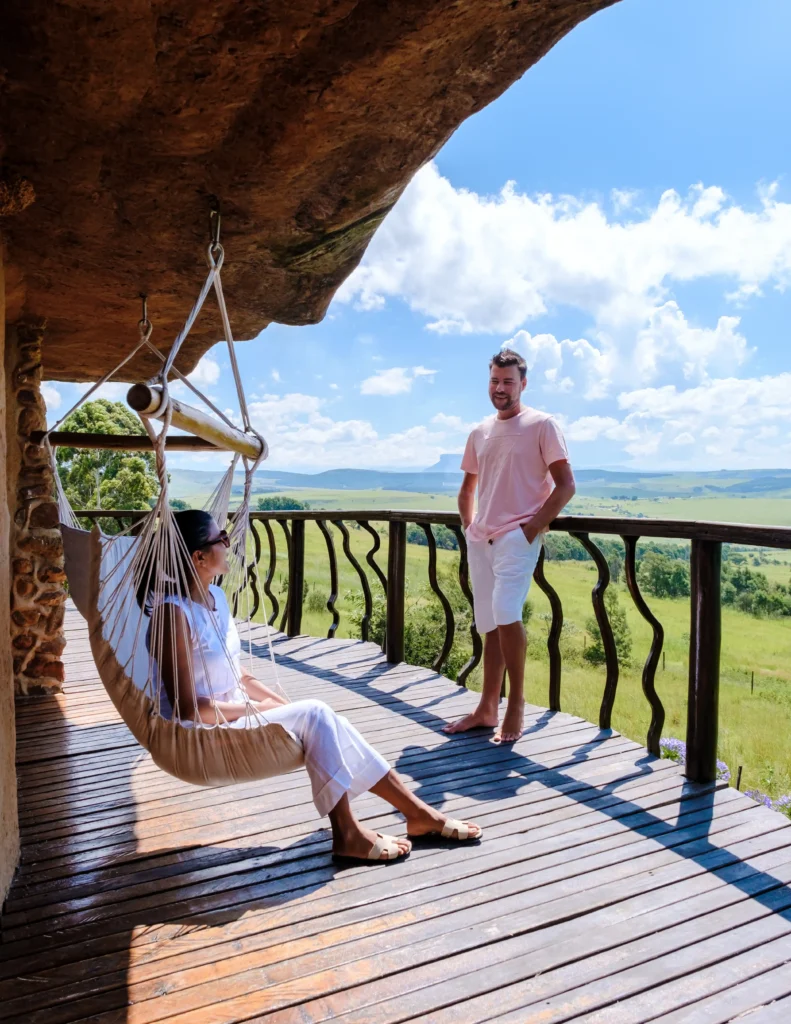
A genuinely luxury safari is defined by a combination of factors working together: luxury accommodation, private guiding, private vehicles, exclusive-use properties, access to private conservancies, low-density wildlife viewing, flexible game drives, bush flights between regions, a fully personalised itinerary, exceptional food and service, and an authentic — not staged — wilderness experience. Remove even one of these, and the trip quietly reverts to a standard safari with a nicer room attached.
Standard Luxury
Excellent room + shared game drive
A beautiful tent or lodge, but your vehicle, your guide’s attention, and your pace are shared with other guests you didn’t choose to travel with.
True Private Safari
Luxury camp + private vehicle + dedicated guide + the right conservancy + a flexible itinerary
Every element compounds: your guide adjusts the day around you, your conservancy caps visitor density by design, and your itinerary bends to what you actually want to see.
Why Kenya Is One of Africa's Best Luxury Safari Destinations?
A genuinely different proposition from
Tanzania, Botswana or South Africa
Kenya’s case rests on Big Five wildlife density, the Great Migration, an unusually mature private conservancy network, exceptional guiding standards, remarkably diverse ecosystems within a single country, Kilimanjaro views from Amboseli, the distinct landscapes of northern Kenya, walking safaris and night drives where permitted, horseback experiences, genuine cultural encounters, and one of Africa’s easiest safari-to-beach combinations. Rather than compare destinations point by point, here’s what actually matters and why.
| Kenya Advantage | Why It Matters |
|---|---|
| Private conservancies | Lower-density wildlife experiences than most national parks or reserves |
| Diverse ecosystems | Multiple genuinely different safari environments within one country |
| Excellent guiding | Consistently stronger interpretation and tracking than many neighbouring destinations |
| Masai Mara | Exceptional predator viewing and the annual Great Migration |
| Laikipia | Rhino conservation and specialist wildlife experiences |
| Amboseli | Elephant herds set against Mount Kilimanjaro |
| The coast | An easy, short-flight safari-and-beach combination |
The Best Destinations for a Luxury Kenya Safari
Top Destinations for a luxury safari
Best for: Big Five, predators, Great Migration, luxury conservancies
Amboseli
Best for: elephants, photography and Kilimanjaro
Samburu
Best for: northern species, landscapes, culture, intimate camps
Laikipia
Best for: rhino, walking, conservation, exclusive lodges
L. Nakuru
Best for: rhino and Rift Valley birdlife
Why Kenya's Private Conservancies Matter?
Kenya's single strongest differentiator for a luxury traveller
A conservancy is private or community-owned land set aside for conservation and tourism, governed by its own board rather than a national park authority — and that ownership difference is what actually produces a better safari. Because each conservancy sets a strict bed-to-acreage ratio, vehicle density stays genuinely low, and because the rules are set locally rather than by national park regulation, walking safaris and night drives are often possible where they aren’t in a reserve. Conservancies also fund themselves through lease payments to the local communities who own the land — meaning your stay directly supports the people, not just the wildlife, sharing that landscape. The Mara’s leading conservancies — Mara North, Olare Motorogi, Naboisho and Ol Kinyei — along with Laikipia’s Lewa and Borana, are where this model is most fully developed.
Best Time for a Luxury Kenya Safari
Kenya works year-round
The season shapes the experience, not whether to go
| Period | Conditions |
|---|---|
| January–February | Dry conditions, excellent general wildlife viewing |
| March | Green landscapes, changing conditions |
| April–May | Long rains, fewer visitors, potential value opportunities |
| June | Transition into the drier season |
| July–October | Peak safari season and the Great Migration period |
| November–December | Short rains, green landscapes, festive travel |
Great Migration: July–October
Big Five viewing: Year-round, strongest Jan–Mar
Photography: Jun–Oct, clear skies
Family safari: School holiday periods
Honeymoon: Year-round, avoid peak crowds Jul–Aug
Walking safari: Jun–Oct, drier ground
Birding: Nov–Apr, migrant species present
Lower-season value: Apr–May, Nov
Beach combination: Year-round, avoid May monsoon swell
Great Migration Safaris in Kenya
One of Africa's great wildlife events — and one we won't oversell
The Great Migration is the continuous movement of over a million wildebeest and zebra through the Mara-Serengeti ecosystem, with the largest herds typically present in the Masai Mara from July to October. This period brings dramatic river crossings, concentrated predator activity, and some of the most memorable wildlife viewing anywhere in Africa — but a river crossing is a natural event, not a scheduled one, and we never promise a specific sighting on a specific day. What we can promise is expert positioning: knowing which conservancies and reserve sections the herds favour in a given week, and building an itinerary with enough nights in the right place to maximise your genuine opportunity. Whether you stay in the National Reserve itself or one of the bordering conservancies changes the character of the experience considerably — a distinction covered in full on our dedicated Great Migration guide.

Luxury Kenya Safari Experiences
Sixteen experiences, each with its own dedicated guide
Private Game Drives
The foundation of every safari, shaped entirely around your pace and interests.
Walking Safaris
A completely different relationship with the wilderness, on foot with an expert guide.
Night Drives
Nocturnal species rarely seen in daylight, where conservancy rules permit.
Great Migration
Positioning your itinerary around the herds’ seasonal movement.
Hot-Air Balloon Safari
Dawn over the Mara, followed by a champagne bush breakfast.
Bush Breakfasts & Dinners
Dining set up away from camp, under an acacia tree or the open sky.
Sundowners
Watching the landscape change colour at the end of a game drive.
Horseback Safari
Moving quietly through open country on horseback, mainly in Laikipia.
Camel Safari
A slower, distinctive way to experience northern Kenya’s landscapes.
Rhino Tracking
Tracking rhino on foot alongside conservancy ranger teams, mainly in Laikipia.
Photographic Safaris
Vehicle configuration, pacing and light planned specifically for serious photographers.
Cultural Experiences
Genuine, respectful encounters with Maasai and Samburu communities.
Conservation Experiences
Understanding the work behind the wildlife, not just observing it.
Family Safari
Age-appropriate pacing and camps genuinely suited to children.
Honeymoon Safari
Privacy-led itineraries built around exclusive-use camps.
Where to Stay on a Luxury Kenya Safari
How we choose accommodation, not just a list of camps
Private Conservancy Camps
For exclusivity and specialist wildlife experiences unavailable inside a reserve.
Luxury Tented Camps
For classic safari atmosphere and genuine wilderness immersion.
Luxury Lodges
For more substantial architecture and extensive facilities.
Exclusive-Use Villas
For families and multigenerational groups wanting full privacy.
Boutique Camps
For an intimate, small-camp experience with a handful of tents.
Coastal Retreats
For the beach-extension side of a combined itinerary.
How Much Does a Luxury Kenya Safari Cost?
USD 800–2,200+ per person, per night, depending on tier
A typical 7–10 night luxury itinerary runs USD 6,500–9,000 per person, all-inclusive. What actually moves the price: season, camp, number of nights, a private vehicle, domestic flights, number of travellers, conservancy fees, room type, exclusive-use accommodation, and any beach extension.
| Example | Route | Indicative Range (per person) |
|---|---|---|
| 5-day luxury safari | Masai Mara + Amboseli | $2,800–9,000 |
| 7-day luxury safari | Chyulu Hills + Masai Mara | $6,500–10,000 |
| 10-day luxury safari | Laikipia +Samburu + Masai Mara | $7,500–12,000 |
| 14-day luxury safari | Northern Kenya + Masai Mara + coast | $8,500–28,000 |
Luxury Kenya Safari Itineraries
Seven starting points, each fully customisable
2 Nights
3-Day Masai Mara Safari
Nairobi → Masai Mara → Nairobi
Why choose this safari
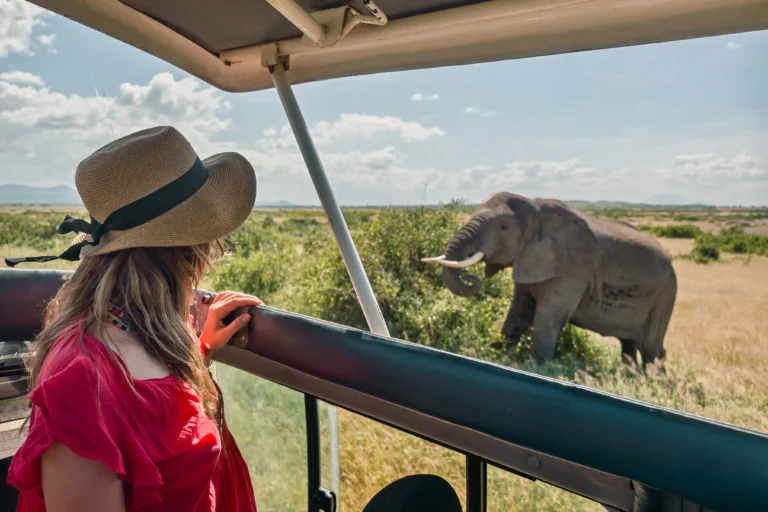
Two nights in the Masai Mara with a private guide and vehicle. The shortest route to the Mara’s big cats, by road or by air
Highlights: Big cats • Open savannah
From $1,192
per person*
4 Nights
5 Days Amboseli Masai Mara safari
Nairobi →Amboseli→Masai Mara → Nairobi
Why choose this safari
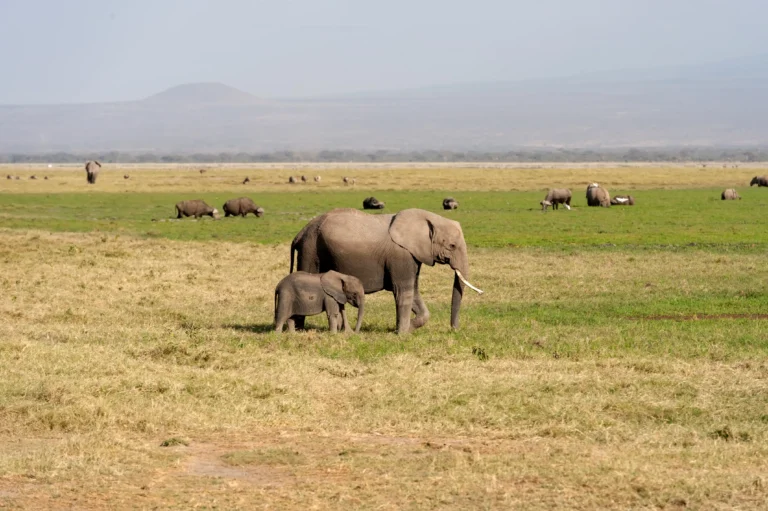
Fly from Nairobi to Amboseli’s elephants and Kilimanjaro views, then on to the Masai Mara. Two regions in five days with no long road transfers.
Highlights: Kilimanjaro • Elephants
From $2,800
per person*
6 Nights
7 Days Kenya classic Safari
Nairobi →Amboseli →L. Naivasha →L. Nakuru →Masai Mara → Nairobi
Why choose this safari
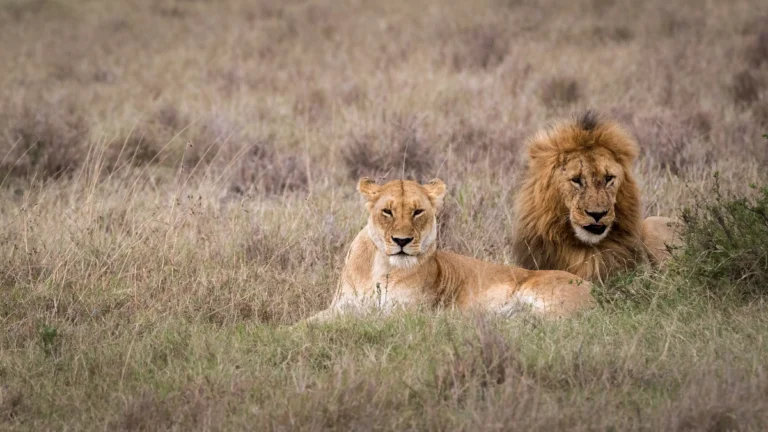
The best choice if you are looking at Wildlife, nature, culture and the big five in one safari
Highlights: Big cats • Open savannah
From $4,150
per person*
9 Nights
10 Days Bush and beach safari
Nairobi → Amboseli → Masai Mara → Diani → Nairobi
Why choose this safari
Elephant country at Amboseli, big cats in the Masai Mara, then days on the Indian Ocean at Diani
Highlights: Elephants •Mt Kilimanjaro • Big cats • Open savannah
From $4,700
per person*
How We Design a Luxury Kenya Safari
Ten steps, from first conversation to finished itinerary
1
Understand the Traveller
Who’s travelling, ages, interests, previous safari experience.
2
Understand the Season
Matching your dates to what’s actually happening on the ground.
3
Choose Destinations
Selecting regions that genuinely suit your priorities.
4
Choose the Right Conservancies
Matching conservancy character to what you want to experience.
5
Select Camps
Verified against child policy, privacy level and guiding quality.
6
Choose Road vs Fly-In
Balancing time, budget and the journey itself.
7
Balance Wildlife with Downtime
Avoiding a schedule packed so tight it stops feeling like a holiday.
8
Build Experiences Around Interests
Balloon safaris, walking, rhino tracking — added where they genuinely fit.
9
Review Logistics
Flights, transfers, visas and insurance checked before confirmation.
10
Finalise the Itinerary
A complete, itemised proposal, refined until it’s right.
Should You Fly or Drive Between Kenya's Safari Destinations?
Both have a place — the right mix depends on your route
FLY-IN SAFARI — BEST FOR
Short trips, luxury travellers, maximising time on the ground, and multi-region itineraries where road transfers would eat entire days.
ROAD SAFARI — BEST FOR
Scenic journeys, families wanting flexibility, and travellers who want to genuinely experience the country between destinations, not just fly over it.
Most of our strongest itineraries combine both — for example, Nairobi to Amboseli by road, then Amboseli to the Mara by air, using each mode where it makes the most sense rather than defaulting to one for the whole trip.
Luxury Kenya Safaris Designed Around You
Nine kinds of traveller, one design philosophy
COUPLES & HONEYMOONERS
Privacy-led itineraries and exclusive-use camps.
FAMILIES
Age-appropriate pacing and verified family accommodation.
FAMILIEMULTIGENERATIONAL FAMILIES
Private houses that let every generation travel at their own pace.
WILDLIFE ENTHUSIASTS
Conservancy access and specialist guiding for serious sightings.
PHOTOGRAPHERS
Vehicles and pacing built specifically around the shot.
FIRST-TIME SAFARI TRAVELLERS
A well-paced introduction that doesn’t try to do everything at once.
RETURNING SAFARI TRAVELLERS
Deeper, more specialist itineraries beyond the classic circuit.
CELEBRATIONS & SPECIAL OCCASIONS
Private dining and camps that can mark the moment properly.
PRIVATE GROUPS
Exclusive-use properties for friends and family travelling together.
Luxury Kenya Safari & Beach Holidays
The combination most first-time Kenya travellers eventually choose
Classic
Masai Mara + Diani
Ideal duration: 9-10 days. Best time: year-round, Jul-Oct for migration. Strong for couples, families and first-time visitors.
Quieter finish
Masai Mara + Watamu
Ideal duration: 9-11 days. Best for families wanting a calmer coastal town than Diani.
Shorter trip
Amboseli + Diani
Ideal duration: 8-9 days. Best for elephant and Kilimanjaro focus with less time overall.
Full circuit
Laikipia + Masai Mara + Diani
Ideal duration: 12-14 days. Best for luxury travellers and conservation-minded families with more time.
Flight connections between safari and coast run via Nairobi, typically under an hour each way — coordinated as one itinerary, not booked separately.
Planning Your Luxury Kenya Safari
Everything worth thinking through before you book
- Best time to visit
- How many days you need
- Where to go
- Private vs shared vehicle
- Road vs fly-in routing
- Choosing the right camp
- What to pack
- Flights, domestic and international
- Kenya entry requirements & eTA
- Laundry service at camps
- Travel insurance
- Health considerations & malaria advice
- Money, cards & currency
- Tipping guidance
- Photography equipment
- Travelling with children
- Connectivity & Wi-Fi
- Electricity & charging
- Weather by region & season
Luxury Safari, Conservation & Communities
Your stay funds the model that makes this kind of safari possible
Every conservancy bed-night funds a direct lease payment to the communities who chose not to fence or subdivide their land, alongside ranger salaries, anti-poaching patrols, and community programmes such as schools and clinics. Wildlife corridors linking fragmented parks depend on this land staying under conservation management rather than converting to agriculture or settlement, and local employment — guides, trackers, camp staff — keeps that economic case strong from year to year. We only make claims about conservation impact that are true of the specific camps and conservancies in your itinerary, not the industry as a whole — ask us directly which conservation programmes a given stay supports.
Why Travel With Kenya Private Safaris?
"We've spent twenty-two years learning this country on the ground — that's the whole reason a specialist is worth using over booking a camp directly.
Kenya Specialists
We design Kenya itineraries exclusively — not one country among many.
Private by Design
Every safari includes a private vehicle and dedicated guide as standard.
First-Hand Guiding Knowledge
Itineraries built on direct field experience, not brochure descriptions.
Independent Itinerary Design
We recommend the right camp for you, not the one paying the highest commission.
Transparent Pricing
Clear inclusions and exclusions in every proposal, before you book.
Hand-Picked Camps
Every property we recommend has been personally assessed against our own criteria.
Local Expertise
A Nairobi-based team who know the routes, seasons and current conditions.
On-Ground Support
A local point of contact throughout your trip, not just up to the point of booking.
A Kenya Safari Specialist You Can Trust
The credentials behind the promise
Physical Nairobi Presence
A genuine local office and team, not a website operating remotely.
Years Operating
Twenty-two years of hands-on Kenyan safari and travel experience.
Conservation Partnerships
Direct relationships with the conservancies and camps featured in our itineraries.
Guide Qualifications
Professionally trained, experienced safari guides across every region we operate in.
Tourism Licensing
TRA license for tours business in Kenya
Tell us how you want to travel, and we'll draft a private itinerary
Travel Dates
When you’re hoping to travel
Number of Travellers
Including ages, if children
Interests
Wildlife, photography, conservation, culture
Approximate Budget
Helps us recommend the right tier
Preferred Accommodation
Tented camp, lodge, private house
Safari Duration
How many nights you have available
Special Occasion
Honeymoon, anniversary, celebration
Beach Extension?
Yes, no, or undecided
Frequently Asked Questions
Luxury Kenya safari
common questions, answered directly
A luxury Kenya safari combines three things a standard safari usually doesn't: exclusive-use or low-density accommodation (private conservancy camps rather than crowded park lodges), a private vehicle and dedicated guide rather than a shared group vehicle, and access to activities — walking safaris, night drives, off-road tracking — that are only permitted on private conservancy land, not in the national parks.
Most luxury conservancy camps in Kenya run between USD 800 and 2,200 per person per night on an all-inclusive basis, covering accommodation, meals, house drinks, and twice-daily game drives with a private guide. A typical seven- to ten-night private itinerary across two or three regions, including domestic flights, generally totals USD 8,000 to 20,000 per person, depending on season and camp selection.
July to October is peak season, covering the Great Migration river crossings in the Masai Mara, with the clearest skies and highest game visibility. November to March offers lush scenery, excellent birding and lower camp rates, though wildlife can be more dispersed. April and May are the long rains — the quietest and least expensive months, with several camps closing briefly for refurbishment.
For a first visit, the Masai Mara's private conservancies are the strongest starting point — they combine high wildlife density, luxury camp infrastructure and, in July to October, the Great Migration. Travellers with more time typically pair the Mara with Laikipia for rhino tracking and walking safaris, or with Amboseli for Kilimanjaro views and elephant herds.
National parks and reserves, such as the Masai Mara National Reserve, are government-managed with fixed vehicle limits per sighting but open to all operators. Private conservancies border these parks on community or privately leased land, cap the total number of beds and vehicles allowed, and permit activities like walking safaris and night drives that national parks generally prohibit.
Seven days is the practical minimum for a considered luxury itinerary — enough for three to four nights in the Masai Mara plus a second region such as Laikipia or Amboseli. Ten to fourteen days allows a fuller circuit across three regions, or a safari combined with a beach extension on the coast at Diani or Watamu.
Kenya's safari circuit — the Masai Mara, Laikipia, Samburu, Amboseli and Tsavo — is well established for international travel, with private conservancies maintaining their own security teams and armed ranger patrols. As with any international destination, we advise checking current government travel advisories and confirming your operator's KATO registration and licensing before booking.
Every itinerary includes a private 4x4 vehicle, a dedicated professional guide for the full trip, all park and conservancy fees, accommodation on an all-inclusive basis, and airport or airstrip transfers. International flights, travel insurance, and gratuities are quoted separately and itemised clearly in your proposal.
Yes. Most multi-region itineraries use scheduled light-aircraft transfers between airstrips in the Mara, Laikipia, Samburu and Amboseli, cutting a six-to-eight-hour road transfer down to 45–90 minutes. Private charter flights and helicopter transfers can also be arranged for travellers who want maximum flexibility on timing.
Yes. We select camps with family-suited exclusive-use villas, flexible game drive timing, and guides experienced with younger travellers, and we build itineraries with shorter daily drive times and rest days built in. Several conservancy camps also run dedicated children's activity programmes during game drive downtime.
Neutral-coloured, lightweight clothing for game drives, a warm layer for early-morning starts (temperatures can drop below 10°C before sunrise even in dry season), sun protection, and a soft-sided bag for light-aircraft luggage restrictions, typically 15kg including hand luggage. Most luxury camps provide laundry service daily, so packing light is genuinely practical.
Kenya offers stronger private-conservancy infrastructure, shorter flight connections between regions, and typically better value at the luxury tier, while Tanzania offers the Serengeti's greater open-plains scale and the Ngorongoro Crater. Many experienced travellers choose Kenya first for the conservancy model and walking safari access, then add Tanzania on a later trip.
Yes, this is one of our most requested itineraries. A typical combination pairs four to six nights in the Masai Mara or Laikipia with four to five nights on the coast at Diani Beach or Watamu, connected by a short domestic flight via Nairobi, giving a complete safari-and-beach holiday in ten to twelve days.
For travel during the July–October peak season or the December festive period, we recommend booking nine to twelve months ahead, as the most exclusive conservancy camps hold very limited inventory. For the green season (November–June), three to six months' notice is usually sufficient.
We work exclusively with camps operating under conservancy land-lease agreements, meaning a direct portion of your stay funds community land rental payments and conservation management, rather than government park fees alone. We can provide the specific conservation model for any camp in your itinerary before you book.
Send your travel dates, group size and general interests to safari@kenyaprivatesafaris.com or use our enquiry form, and you will receive a draft itinerary with transparent, per-person pricing, typically within 48 hours.