Luxury Safari Experiences in Kenya
A game drive is only the beginning. This is the complete, categorised guide to bespoke safari activities in Kenya — wildlife, adventure, conservation, culture, air and coast — matched to the destinations and camps where each genuinely works, from twenty-two years of building these itineraries ourselves.
Luxury Safari Experiences in Kenya
A luxury safari is built from what you do between the sightings
Ask most first-time travellers what a “luxury safari” includes, and they’ll describe a beautiful tent and a good guide. Ask someone on their third or fourth Kenya trip, and the answer changes — it becomes about the specific, high-end safari experiences layered into the days: a dawn balloon flight, a guided walk with a Maasai warrior, rhino tracking on foot with a conservancy scout team, dinner set up under a single acacia tree away from camp. These are what actually separate a well-designed, premium Kenya safari itinerary from a standard one, and which experiences are available to you depends heavily on where you stay and which camps you choose.
This page is a working reference to every category of exclusive Kenya safari experience — wildlife and game viewing, adventure activities, conservation encounters, cultural experiences, aerial journeys, and the Indian Ocean coast that so often finishes a Kenya itinerary. Some of these have their own dedicated, in-depth guide; others are explained fully here, since their content doesn’t yet warrant a standalone page. Either way, this is where you get the complete picture before deciding what to build into your own tailor-made safari.
Kenya's Luxury Safari Experiences at a Glance
Six categories, so you can see the full range at once
Click a category to expand it. Each one is covered in full detail further down this page.
- Private game drives
- Big Five safari
- Great Migration
- Predator and big-cat viewing
- Night drives where permitted
- Wildlife photography
- Birdwatching
- Private conservancy experiences
- Walking safaris
- Horseback safaris
- Camel experiences
- Fly camping
- Mountain and forest walks
- E-bike safaris
- Scenic flights
- Helicopter safaris
- Rhino tracking
- Wildlife monitoring
- Community conservation
- Conservation education
- Responsible cultural experiences
- Maasai experiences
- Samburu cultural experiences
- Local community visits
- Kenyan cuisine
- Markets and crafts
- Swahili coastal culture
- Hot-air balloon safari
- Helicopter safari
- Scenic flights
- Private charter
- Fly-in safari journeys
- Private dhow cruises
- Snorkelling
- Scuba diving
- Deep-sea fishing
- Sailing
- Kayaking
- Stand-up paddleboarding
- Kite surfing
- Dolphin encounters
- Sandbank excursions
- Marine conservation
- Spa and wellness
- Private beach dining
Wildlife & Safari Experiences
The foundation every luxury Kenya safari is built on
This depends on how deeply you want to experience Kenya.
Private Game drives
The game drive remains the foundation of a Kenya safari, but the quality of the experience depends heavily on where you go, who guides you, which vehicle you use, and how much flexibility you have. A private vehicle allows you to shape the day around your interests rather than following another group’s schedule — spend longer with a pride of lions, wait patiently for a leopard to emerge, follow elephants across the plains, or concentrate on photography without feeling rushed. In private conservancies, this flexibility extends further still, with access to activities not available in the same way inside the national reserve. Best for first-time safari travellers, couples, families, photographers and serious wildlife enthusiasts, across the Masai Mara, Laikipia, Samburu, Amboseli and Tsavo.
The Big Five Safari
Kenya remains one of Africa’s great destinations for seeing lion, leopard, elephant, buffalo and rhinoceros — but we recommend treating the Big Five as part of a broader wildlife experience rather than a checklist. The best safari is often about understanding animal behaviour, following tracks, watching predator interactions, discovering smaller species, and spending time in landscapes that feel completely different from one another. Best destinations: Masai Mara, Laikipia, Amboseli and Tsavo. Ideal for first-time safari travellers and families.
The Great Migration
The annual movement of wildebeest, zebra and other grazing animals through the Mara ecosystem is one of Kenya’s most famous wildlife spectacles — and it is not simply about seeing a river crossing. The wider migration season provides exceptional opportunities for predator sightings, large concentrations of herbivores, dramatic landscapes and extraordinary photography. River crossings are natural events and cannot be guaranteed on a particular day; we recommend allowing enough nights in the Mara rather than trying to predict the exact day or location of an event.
Night Game Drives
Spotlight-guided drives after dark, revealing nocturnal species such as leopard, genet, aardvark and bush baby rarely seen in daylight. Permitted in most private conservancies, not inside national reserves and parks.
Wildlife Photography Safari
Kenya is exceptionally well suited to photography — open landscapes, dramatic light, large mammals, predators, migration and specialist guiding create opportunities for both professional photographers and enthusiastic amateurs. A serious photography safari should consider vehicle configuration, photography space, guide expertise, time spent at sightings, lighting conditions, camp location, season and subject priorities. The itinerary should be designed around photography rather than simply adding a camera to a conventional safari.
Predator & Big-Cat Viewing
Not a separate activity so much as a lens on the experiences above — most predator sightings happen through private game drives, and the best big-cat viewing tends to follow specific conservancy territories your guide already knows. If lion, leopard and cheetah are your priority, say so when planning your itinerary rather than treating it as a distinct add-on.
Birdwatching
Kenya holds well over a thousand recorded bird species, and every region covered on this site rewards a birder — the Mara alone records more than 470. Serious birders should ask for a guide with specific ornithological training and consider slower-paced walking safaris and conservancy stays, where birdlife receives more attention than on a big-mammal-focused game drive.
Private Conservancy Experiences
The private conservancy model — capped visitor density, land-lease payments to local communities, and access to activities national reserves don’t permit — underpins most of what makes a luxury safari genuinely different from a standard one.
Adventure Experiences
Beyond the vehicle
Walking Safaris
Walking changes the way you experience the African wilderness. Instead of concentrating on large animals from a vehicle, you begin noticing tracks, insects, plants, birds, dung, footprints and the smaller details that reveal how the ecosystem functions. Walking opportunities depend on the destination, conservancy, camp, guide and applicable wildlife regulations, and are particularly compelling in parts of Laikipia and selected Masai Mara conservancies where specialist guides interpret the landscape on foot. Best for repeat safari travellers, adventurous couples, and travellers seeking a deeper connection with nature.
Horseback & Camel Safaris
Horseback safari offers an entirely different relationship with the landscape — experienced riders move quietly through open country while observing wildlife from horseback, an experience particularly associated with Laikipia. Sirai House offers horseback riding in Borana Conservancy for experienced and advanced riders, while Ol Malo combines horseback with camel and walking experiences as part of a wider adventure offering. Camel experiences, meanwhile, are particularly associated with northern Kenya and Samburu country, offering a slower way to experience the landscape that appeals especially to families and adventurous travellers.
Helicopter Safaris
A helicopter safari belongs firmly in the ultra-luxury category. The value isn’t simply flying over wildlife — a helicopter turns inaccessible landscapes into part of the journey, reaching remote valleys, mountains, lakes and private landing locations impractical to reach by road. Shared scenic flights run roughly USD 200–500 per person; private charters typically start around USD 1,900–2,500 per flight hour.
Fly Camping
For travellers who want to go deeper into the wilderness, fly camping offers a very different style of safari. The camp is deliberately simple compared with a permanent luxury lodge, but the experience can be highly personalised — Sirai House, for example, offers fly camping in Laikipia where guests experience genuine wilderness while retaining a high level of service and comfort. Best arranged as a one- or two-night addition to a longer stay, not a whole-trip format.
Mountain & Forest Walks
A genuinely different register from savannah walking — guided forest walks and hikes around Mount Kenya and the Aberdare range move through montane forest, bamboo zones and waterfalls rather than open plains. Best suited to travellers extending a Laikipia stay, or building a longer itinerary that deliberately includes Kenya’s highland scenery alongside its classic savannah.
E-Bike Safaris
E-bike safaris combine exercise, scenery and wildlife interpretation, and are particularly practical around private conservancies where terrain and access allow it safely. Sirai House currently promotes guided e-bike safaris through WILDRIDES in Borana Conservancy — a genuinely different way to cover ground compared with a vehicle or on foot, best suited to reasonably fit, adventurous travellers.
Sleep-Out & Star-Bed Experiences
For the right traveller, sleeping beneath the African sky is an extraordinary addition to a safari — ranging from sophisticated permanent star beds with proper bedding and en-suite facilities, to more adventurous overnight bush camps with minimal infrastructure. These should be matched carefully to your comfort level, the specific location, season and wildlife environment; ask your guide which format a given camp actually offers before assuming.
Conservation Experiences
Understanding the work behind the wildlife
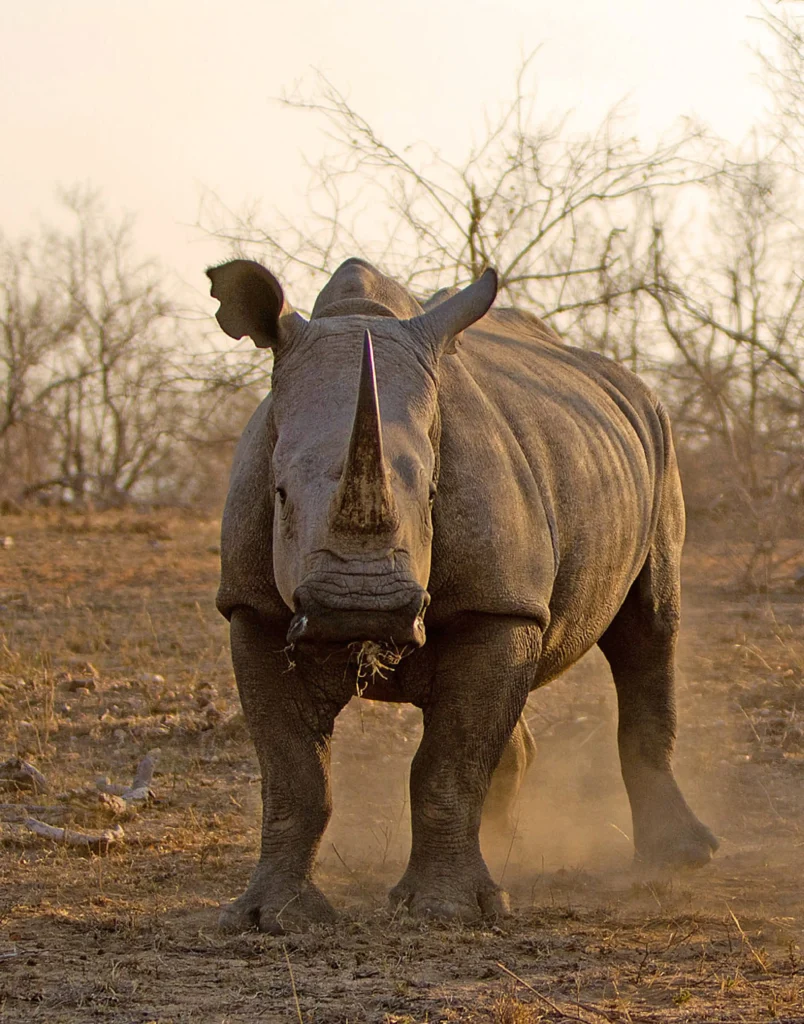
Luxury travel increasingly means access to experiences that build a genuine understanding of conservation, not just wildlife viewing. In Laikipia specifically, travellers can take part in active conservation projects, wildlife monitoring, and rhino-related activities — Sirai House, for example, offers rhino tracking directly with Borana Conservancy’s ranger scout team, turning a safari from simply observing wildlife into understanding the work required to protect it. Wildlife monitoring experiences can include joining a conservancy’s radio-collar tracking rounds or camera-trap review sessions; community conservation visits explain how land-lease payments and tourism revenue directly fund the low-density model that makes conservancy safaris possible in the first place; and conservation education sessions, often run by conservancy rangers or resident researchers, give real depth to what could otherwise be a purely recreational stay. Best destinations for this category: Laikipia and selected Masai Mara conservancies.
Cultural Experiences
A genuine human encounter, not a staged performance
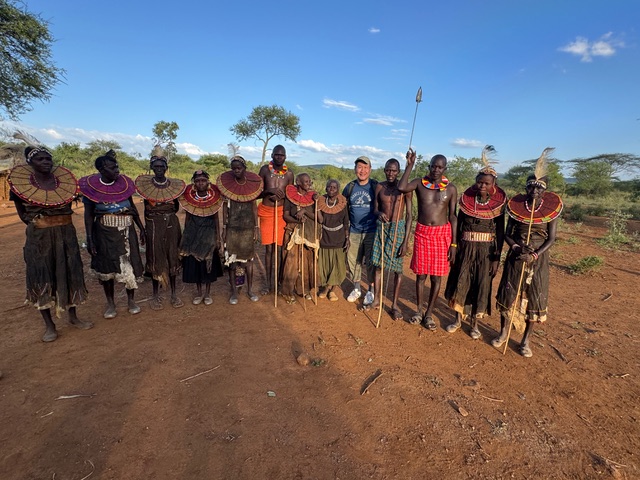
Culture should be approached as a real exchange rather than a tourist show, and the best operators structure it that way deliberately. Depending on the location and community, this can include guided village visits and honest conversation with community members, traditional beadwork and craft demonstrations, shared meals and storytelling, and direct exposure to community conservation and education initiatives. Maasai cultural experiences are most developed around the Masai Mara and its conservancies, where many walking safaris are already co-led by a Maasai warrior alongside your professional guide. Samburu cultural experiences follow a similar model further north, reflecting a distinct pastoral tradition and material culture from the Maasai. Kenyan cuisine, Meals use local produce and are cooked by camp chefs; dishes such as nyama choma (grilled meat), ugali and coastal Swahili curries can be added to dinners on request. Tell us about dietary needs before you travel. Markets and crafts, Nairobi’s Maasai Market, held on set days at different locations, sells beadwork, carvings and fabrics. We confirm the day and location for your dates and arrange a guide.
On the coast, Swahili culture — its architecture, cuisine, and centuries of Indian Ocean trade history — is a genuinely different cultural layer from anything inland, best experienced in Lamu’s old town or Mombasa’s historic quarter. The objective across all of these should be respectful interaction and meaningful local benefit, not a performance staged solely for visitors.
Air & Aerial Experiences
Kenya from above
Hot-Air Balloon Safaris
Few experiences provide a more memorable perspective of the Masai Mara than watching the landscape awaken from above. A typical flight begins before sunrise, ascending over the savannah as wildlife moves below, followed by a champagne bush breakfast after landing. Weather and operational conditions determine whether flights can take place, so a balloon safari works best as an addition to a longer private Mara stay rather than a fixed centrepiece. Best for couples, honeymooners, photographers and first-time visitors.
Fly-In Safari Journeys
Scheduled light-aircraft transfers between regions, cutting a six-hour road journey to around 45 minutes, and often the first real look at the landscape below. The backbone of nearly every multi-region luxury itinerary in Kenya.
Scenic Flights
A scenic flight turns a transfer into an experience in its own right — rather than spending hours by road, you see Kenya’s landscapes from above while moving between destinations. Scenic routes are commonly arranged around Mount Kenya, Laikipia, the Great Rift Valley, the Masai Mara, northern Kenya, and the Kenyan coast, typically by light aircraft rather than helicopter for a lower-cost aerial view.
Private Charter
A dedicated light aircraft or helicopter booked exclusively for your group, offering full control over departure timing and routing rather than a shared scheduled flight. Particularly useful for tight connections, larger groups, or itineraries combining several remote regions in a single day.
Coast & Indian Ocean Experiences
How most Kenya safaris end
A stretch of days on the Indian Ocean coast is the standard finish to a Kenya safari itinerary, and the experiences here are genuinely different from anything inland — living coral reef, dhow sailing, deep-sea fishing, and spa time a safari camp simply can’t offer in the same way. Diani, on the south coast, and Watamu and Kilifi, further north, are the three areas most luxury itineraries route through, connected to the safari circuit by a short domestic flight via Nairobi.
Private Dhow Cruises
Traditional sailing vessels for a sunset cruise or full-day excursion along the coastline.
Snorkelling
Shallow reef access at marine parks such as Kisite-Mpunguti, suitable for all swimming levels.
Scuba Diving
PADI-certified dive centres operate at Diani and Watamu, with reef and wreck dives available.
Deep-Sea Fishing
Licensed charter boats operate from Watamu, Kilifi and Diani. The best months vary by species; we confirm them for your dates.
Sailing
Traditional dhow trips run from Diani, Watamu and Lamu, with the best sailing in the calmer months.
Kayaking
Including glass-bottomed kayaks for reef viewing without getting in the water.
Stand-Up Paddleboarding
Calm, reef-protected lagoon waters make the coast well suited to SUP.
Kite Surfing
Diani is one of East Africa’s strongest kite-surfing destinations, with reliable onshore wind.
Dolphin Encounters
Boat excursions to spot resident dolphin pods, particularly off Watamu and Kisite.
Sandbank Excursions
Boat trips to exposed sandbanks at low tide for a private, mid-ocean picnic setting.
Marine Conservation
Turtle rehabilitation and reef conservation visits, notably Local Ocean Conservation in Watamu.
Spa & Wellness
Ocean-facing spa treatments, yoga, and wellness programmes at most coastal luxury properties.
Luxury Safari Experiences by Traveller Type
Which experiences to prioritise for your kind of trip
HONEYMOON
Privacy over volume
Privacy and pace: a private vehicle, a small camp or villa, a bush dinner or sundowner arranged for two, and a few days on the coast to finish. See our Kenya honeymoon safari page.
FAMILY
Shorter, flexible days
Private game drives, camel or horseback experiences at Ol Malo, conservation visits with an educational angle, and a coastal finish with water sports for older children.
PHOTOGRAPHER
Positioning and time
Private vehicle, extended golden-hour drives, and a helicopter or scenic flight for aerial landscape shots.
CONSERVATION-MINDED
Depth over checklist
Time with conservation teams: rhino tracking in Laikipia, stays in community conservancies where lease fees reach Maasai landowners, and walking safaris with a ranger. See our conservancies guide.
ADVENTURE SEEKER
On foot, on horseback, in the air
Walking safaris, fly camping, e-bike safaris, and a helicopter safari to reach genuinely remote landscapes.
BEACH-FOCUSED FINISH
Diving, sailing, wellness
Scuba diving or snorkelling at Diani or Watamu, dhow sailing, and spa time to close out a safari itinerary.
Choosing the Right Experiences for Your Safari
Four questions before you build the itinerary
What do you actually want to feel, not just see?
A balloon flight and a walking safari deliver very different kinds of memory from the same landscape — decide the feeling first.
How many nights do you have to spend on experiences rather than transfers?
Three or four experiences done properly beats six done in passing.
Does your chosen camp actually offer it, or just the region?
Individual camps within the same conservancy can hold different activity permits and specialisations — confirm per camp.
Is it included, or a paid extra?
Balloon safaris, helicopter flights and premium activities are always billed separately — ask for the itemised list before booking.
Our Experiences Recommendation
"The experiences that matter most are rarely the ones with the biggest price tag. They're the ones that fit the specific days you have."
After twenty-two years building these itineraries, my honest advice is to choose two or three experiences deliberately rather than trying to fit in everything this page lists. A balloon safari on your second morning, one guided walk mid-stay, and a private bush dinner on your last night will stay with you longer than a schedule packed with five different activities squeezed into four nights. Match the experience to the destination that actually does it well — Naboisho for walking, Olare Motorogi for the balloon, Laikipia for rhino tracking and horseback, Diani or Kilifi for the coast — rather than expecting one camp to do everything equally.
— James, Founding Guide, Kenya Private Safaris
Frequently Asked Questions
Luxury safari experiences in Kenya common questions, answered directly
Most luxury camps include twice-daily game drives with a guide as standard. Night drives, walking safaris, balloon flights, cultural visits and bush dining are usually available but frequently billed as separate add-ons — always confirm what's included versus extra before booking.
A game drive covers ground by vehicle, generally seeking larger wildlife sightings. A walking safari moves slowly on foot with an armed, certified guide, focused on tracks, smaller species, plants and understanding the ecosystem rather than covering distance.
No. Night drives are permitted in most private conservancies but not inside national reserves and parks, including the Masai Mara National Reserve and Amboseli National Park.
Shared flights typically cost USD 450-650 per person, including a champagne bush breakfast. Private charter balloons run USD 1,800-2,500 per balloon. You can contact Kenya Private Safaris for a quote
Laikipia has Kenya's strongest overall walking safari infrastructure, alongside Naboisho and Ol Kinyei conservancies in the Masai Mara.
Laikipia offers the strongest rhino tracking on foot, particularly at Solio Game Reserve, Ol Pejeta Conservancy and Borana Conservancy.
Many can, though age policies vary significantly by camp and by activity — walking safaris, horseback safaris and night drives often carry a higher minimum age than general game drives. Always confirm both the camp's general age policy and any activity-specific limits.
Yes, particularly for photography and flexible timing. A private vehicle means your guide can adjust the day's activities around light, weather or a specific sighting without needing group consensus.
A simplified, temporary camp set up away from your main lodge, usually for one or two nights, offering a more remote and immersive experience while retaining a genuine level of service — available at select camps in Laikipia and the Mara conservancies.
The best ones are structured to directly benefit the community involved, arranged through the conservancy or camp rather than an informal roadside stop, with proceeds from craft sales or entry fees going to the hosting community.
Yes, and this is common — for example, a balloon safari early in a Mara stay followed by a walking safari mid-trip. We generally recommend two or three experiences done properly over a longer list rushed through.
A balloon safari, a private bush dinner, and an exclusive-use villa or camp tend to define the strongest luxury honeymoon safaris, prioritising privacy over a packed activity schedule.
No. Individual camps within the same conservancy can hold different activity permits and specialisations — confirm directly with the specific camp rather than assuming based on its conservancy or region.
Closed, comfortable walking shoes, neutral-coloured clothing, a hat and sun protection. Your guide will brief you on safety procedures before setting out, since walking safaris are led by armed, professionally certified guides.
Horseback safaris are not generally offered in the Masai Mara conservancies. Laikipia is the stronger destination, with Sirai House, Loisaba and Borana all offering established riding programmes for experienced riders.
Book alongside your camp reservation where possible, and schedule it early in your stay rather than your last morning, so a weather-related reschedule doesn't cost you the experience entirely.
Yes, this is the standard structure for a Kenya itinerary. Most travellers pair four to seven nights on safari with a similar stretch at the coast — Diani, Watamu or Kilifi — connected by a short domestic flight via Nairobi.
Scuba diving and snorkelling on living coral reef, dhow sailing, deep-sea and big-game fishing, kite-surfing and windsurfing, dolphin encounters, and spa and wellness treatments — none of which a safari camp can genuinely offer.
Shared scenic flights typically cost USD 200-500 per person for a short flight. Private helicopter charters, including lodge-to-lodge transfers, generally start around USD 1,900-2,500 per flight hour.
A helicopter allows direct landing at camps without an airstrip and more flexible departure timing, but costs considerably more and carries less luggage. Scheduled light aircraft remain the standard choice for most multi-region itineraries.
Yes. Diving and snorkelling are coastal experiences, arranged at Diani, Watamu or Kilifi as part of a combined safari-and-beach itinerary, not available inland at safari camps.
A guided walk or ride alongside pack camels, moving slower than a vehicle-based safari, particularly associated with Samburu and northern Kenya. Ol Malo incorporates camel experiences into its wider adventure offering in Laikipia.
A guided cycling safari on electric-assist bicycles, combining exercise with wildlife interpretation on tracks safe for cycling. Offered at select Laikipia properties such as Sirai House through specialist operator WILDRIDES.
Sleeping under the open sky, either in a permanent raised bed structure with proper bedding, or a more basic overnight bush camp. Availability and format vary significantly by camp — confirm what's actually offered before booking.
Yes, when arranged properly through your camp or conservancy rather than an informal roadside stop, with genuine benefit flowing to the community — village visits, craft purchases and guided conversation are the most common respectful formats.
The centuries-old Indian Ocean trading culture reflected in coastal Kenya's architecture, cuisine and language, best experienced in Lamu's historic old town or Mombasa's Old Town, both reachable as an extension to a Diani or Watamu coastal stay.
It varies by conservancy, but the strongest programmes involve genuinely joining a ranger team's radio-collar tracking round or camera-trap review, not just watching from a distance — ask specifically what "wildlife monitoring" includes at your chosen camp.
No. Most itineraries blend both — for example, two days of standard game drives followed by one day of walking or horseback safari — rather than choosing one format for an entire trip.
Start with how you want to feel rather than a checklist, confirm which experiences your chosen camp and conservancy actually offer, and prioritise two or three done well over a packed schedule. Tell us your priorities directly and we'll match specific camps and conservancies to them.
Build a safari around the experiences that matter to you
Tell us which experiences you want — balloon safari, walking, rhino tracking, coastal diving — and we’ll match them to the right destination, conservancy and camp.