Private Luxury Kenya Safaris from Germany
Kenya Luxury Safari from Germany
Authentic Kenya. Thoughtfully experienced. Privately yours.
From Frankfurt, Munich or elsewhere in Germany to the Kenyan wilderness, we design private safari journeys around your interests, travel dates and preferred pace — with carefully selected camps, expert local guiding, responsible experiences and beautifully paced itineraries along the way.
A Kenya safari, seen the way a German traveller actually plans a long-haul journey
For a traveller in Germany, a safari is rarely an impulsive booking. It follows the pattern most long-haul holidays here do: research done carefully over weeks, a route that has to justify eight hours in the air, and a genuine expectation that every component — the camp, the guide, the routing, the price — has a clear reason for being there. That’s the standard this page is built to meet, not a marketing tone layered over generic content.
Kenya rewards that kind of planning particularly well. A single direct Lufthansa flight from Frankfurt, a time difference of only an hour or two, and a country that genuinely contains several distinct wildernesses — the open plains of the Masai Mara, the conservation-led conservancies of Laikipia, the rugged north of Samburu, and the Indian Ocean at Diani — mean the long-haul journey isn’t spent chasing one highlight. It’s spent moving thoughtfully between several, each given enough time to actually mean something.
What follows on this page is not a brochure. It’s the actual reasoning behind how we build a Kenya safari for a German traveller specifically — why a route is sequenced the way it is, why one camp suits a photographer and another a family, what genuinely drives the price, and which conservancies your money supports, by name. If you read nothing else, read that: the detail is here because it’s how the safari is actually planned, not because a page needed filling.
Why Kenya from Germany?
Kenya is not one safari experience — it is a collection of distinct ecosystems, combined intelligently
Savannah, mountains, private conservancies, culture, conservation, luxury camps, and the Indian Ocean all sit within one country and, in most cases, within a single well-designed itinerary. That breadth is precisely why Kenya justifies a long-haul journey — not one dramatic highlight, but several genuinely different experiences that a shorter or narrower trip simply cannot deliver.
A Different Definition of Luxury
Not spectacle — substance
Luxury here isn’t a five-star room and a premium price tag. It’s privacy, space, an exceptional location, private guiding, time, silence, a genuinely small camp, flexible game drives, real conservation access, and attentive, personal service.
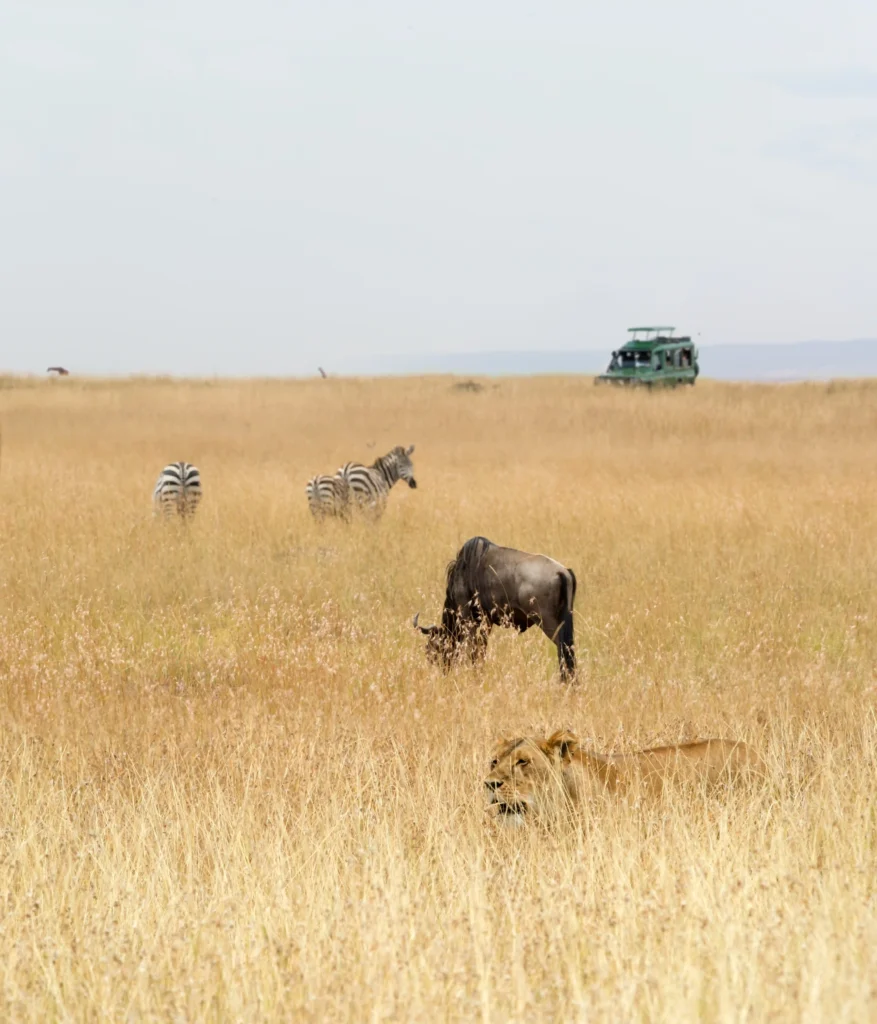
Luxury is not simply how much you spend. It is how much you don't have to compromise.
A Different Definition of Luxury
Why Private Safari from Germany?
Travel privately without losing the authenticity of the destination
A private vehicle, a private guide, a flexible schedule, longer wildlife sightings, a genuinely personalised pace, family privacy, and none of the waiting that comes with a shared itinerary. This is the entire mechanism by which a safari becomes yours rather than a fixed product everyone else is also experiencing.
Who Is This Safari For?
Different travellers, one design philosophy
Couples
Privacy, romance and an unhurried pace.
Families
Genuine adventure for children without compromising the experience for adults.
Multigenerational groups
Comfort and thoughtful pacing across every generation.
Repeat African Traveller
Deeper, more specialist routing beyond the classic first cir
Nature & Conservation-minded Traveller
Genuine conservancy access, not just a wildlife backdrop.
How to Fly from Germany to Kenya
Straightforward long-haul access, not an expedition
Lufthansa (nonstop)
Frankfurt (FRA) → Nairobi (NBO), ~8h10m, 6-7 flights weekly, Boeing 787
From Munich and other German cities
Typically connecting via Frankfurt, or via a European or Gulf hub
Time difference
Kenya is only 1-2 hours ahead of Germany depending on the season — minimal adjustment on arrival
Lufthansa currently operates the only nonstop service on this route, typically departing Frankfurt around midday and arriving into Nairobi in the evening — a schedule that works well with an onward domestic connection or transfer the following morning. Business Class, priority handling and a private airport transfer can all be arranged as part of the journey, without being assumed as compulsory for every traveller.
Your Journey from Germany to Kenya
Everything has been thought through, end to end
How Long Should a Kenya Safari Be — and Why Nights Matter More Than Days
Why we choose four nights over two in a particular ecosystem
This is a genuine design decision, not a rule of thumb. A two-night stay in the Masai Mara typically gives you three game drives — one afternoon arrival drive, one full day split morning and afternoon, and one final morning before departure. That’s enough to see wildlife, but rarely enough to actually follow a story: a pride’s movement after a kill, a cheetah coalition’s territory, how predator activity shifts as the light changes across a single day. Four nights gives you six to seven game drives, which is the difference between a series of sightings and a genuine sense of place. It also buys weather insurance — a single rained-out drive doesn’t cost you a third of your visit. For a long-haul German traveller who has already committed a full day of travel each way, that difference is worth more than an additional destination would be.
Length
What it suits
7 Days
Two ecosystems, each given proper time rather than three rushed
9-10 Days
A genuine multi-region journey with four-night stays where they count
12-14 Days
A full circuit, including a coastal finish, without a single one-night stopover
November-December
Short rains and festive-season travel
Kenya Safari Destinations
What will this destination add to my holiday?
Masai Mara
Best for: Big Five, predators, migration, first safari
Amboseli
Best for: elephants, Kilimanjaro, photography
Laikipia
Best for: private conservancies, conservation, exclusive experiences
Samburu
Best for: northern Kenya, distinctive wildlife, landscapes
Lake Nakuru
Best for: rhino and route connectivity
Tsavo
Best for: wilderness, elephants, expansive landscapes
Lake Naivasha
Best for: relaxed experiences such as boat rides, walking safari
Diani
Best for: post-safari relaxation
Route Logic: Why Fewer, Connected Destinations Beat a Long List
Samburu → Laikipia → Masai Mara, and why it works better than adding five more names
Worked Example
Why this specific sequence, and not Samburu + Amboseli + Nakuru + Naivasha + Laikipia + Mara + Tsavo
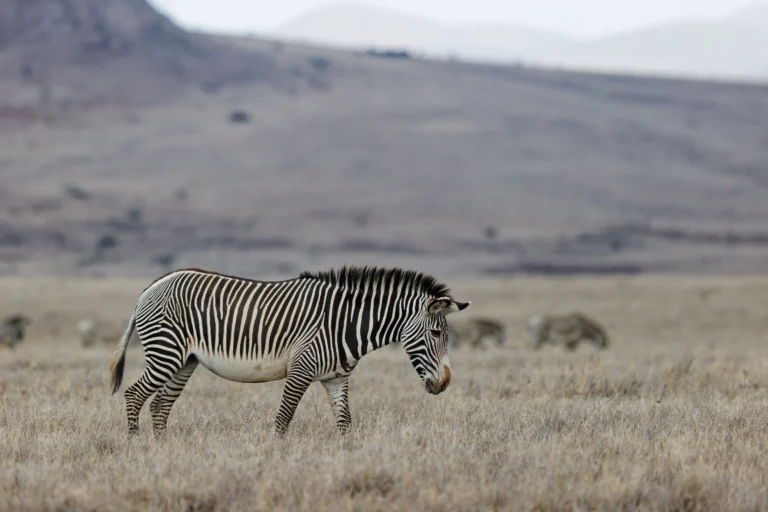
Samburu, Laikipia and the Masai Mara form a genuine north-to-south corridor, each roughly a short flight from the next, with a real narrative arc: Samburu’s dry, rugged north with its specialist wildlife (Grevy’s zebra, reticulated giraffe, gerenuk) gives way to Laikipia’s conservation-led private conservancies, which give way to the Mara’s dense predator activity and open plains. Each leg adds a genuinely different landscape and wildlife story, not a repeat of the last one.
Adding four more destinations to that route doesn’t add four more stories — it adds four more transfers, four more sets of packing and unpacking, and four fewer nights available at the destinations that actually matter to you. A seven-park itinerary in ten days means an average of 1.4 nights per stop, which isn’t enough time to see anything beyond the first game drive’s obvious sightings. We build routes around genuine geographic and ecological logic, not a list of famous names assembled to look comprehensive.
Private Conservancies — What They Actually Do
Not a marketing term — a genuine land-use and conservation model
A national park is publicly managed. A private conservancy is typically owned by local Maasai or Samburu landowners and leased to tourism operators, who pay for exclusive low-density access — funding conservation, community programmes and land protection that would otherwise be lost to subdivision or agriculture. Vehicle density is capped by design, and depending on the specific conservancy’s own rules, walking safaris and night drives may be permitted in ways they aren’t inside a national reserve.
Masai Mara ecosystem
Naboisho Conservancy
One of the highest lion densities recorded anywhere in Kenya, funded through direct lease payments to over 500 Maasai landowning families, with a strict low-bed-density policy across its roughly 20,000 hectares.
Masai Mara ecosystem
Mara North Conservancy
A pioneering conservancy model bordering the Mara Reserve itself, supporting resident wildlife populations year-round rather than only during migration season, with community lease payments underpinning its entire operating structure.
Masai Mara ecosystem
Olare Motorogi Conservancy
A merged conservancy area known for consistently strong predator sightings, with a small number of camps operating under a shared conservation and land-use agreement with local landowners.
Laikipia
Lewa Wildlife Conservancy
A UNESCO World Heritage Site and one of Africa’s flagship rhino conservation success stories, with an active anti-poaching and community-development programme that visitor bed-nights directly help fund.
A Luxury Safari for People Who Love Nature
Wildlife, landscapes and ecosystems at the centre — not the backdrop
Big Five wildlife, exceptional birdlife, dramatic landscapes from savannah to volcanic hills to Rift Valley lakes, and genuine ecosystem diversity within short flights of each other. Photography, walking where permitted, and simply time spent watching how a landscape actually behaves are as central to this kind of safari as any single wildlife sighting.
The Great Migration: Timing and Expertise, Never a Guarantee
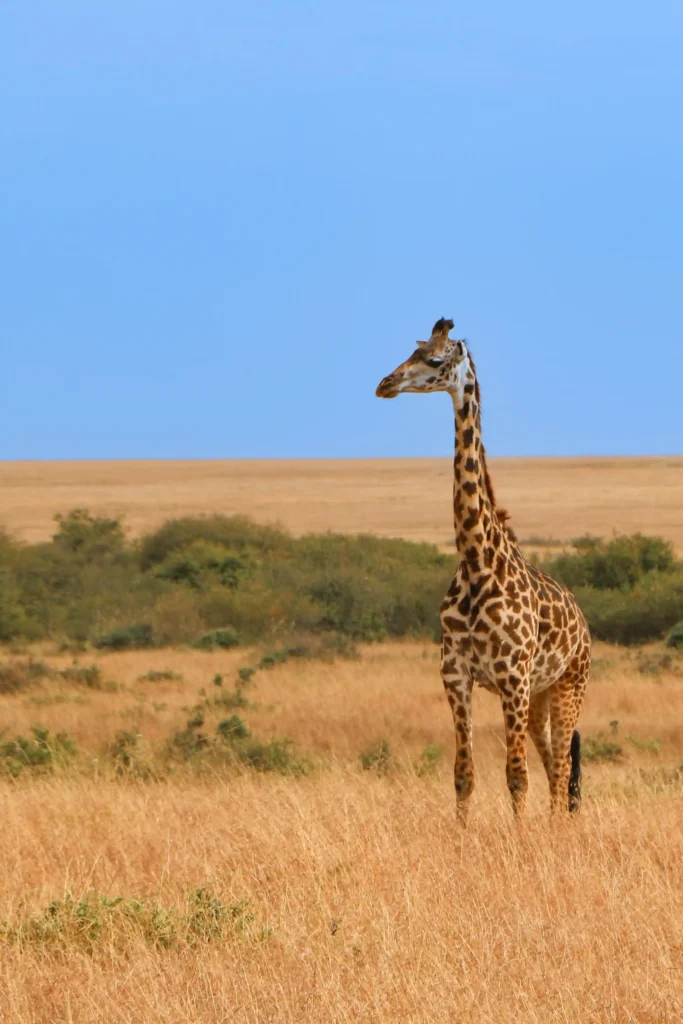
The Great Migration typically brings the largest herds into the Masai Mara from July to October, though exact timing shifts year to year with rainfall. We plan around the ecosystem and the season, positioning your itinerary where the odds are genuinely strongest — but no responsible operator promises a river crossing, a specific animal, or an exact location on a specific date. That honesty is what real expertise sounds like.
Camp-Selection Philosophy
Why one camp is right for a photographer, another for a family, and another for a couple
The same destination can have entirely different “right” camps depending on who’s travelling — this is the actual work of itinerary design, not an afterthought once the route is set.
For a Photographer
Positioning and vehicle configuration over amenities
We prioritise camps with dedicated photographic vehicles or bean-bag mounts, guides trained specifically in positioning for light, and proximity to a conservancy with low vehicle density — a five-star spa means nothing if you’re the fourth vehicle at a sighting.
For a Family
Room configuration and genuine child policy over exclusivity
We look for family tents or interconnecting rooms, camps with a genuine (not just stated) minimum-age policy that suits your children, shorter game-drive expectations, and space for downtime — an ultra-exclusive two-tent camp built for total silence is often the wrong choice here, however luxurious.
For a Couple
Intimacy and privacy over scale
Smaller camps, private dining options, and a conservancy setting where the pace can genuinely slow down matter more here than facilities — the right choice is often the quietest camp on the list, not the largest or most decorated.
Built Around Who's Travelling
Four journeys, four genuinely different design brie
Luxury Family Safaris
Introduce children to Africa, without compromising it for the adults
We prioritise camps with dedicated photographic vehicles or bean-bag mounts, guides trained specifically in positioning for light, and proximity to a conservancy with low vehicle density — a five-star spa means nothing if you’re the fourth vehicle at a sighting.
Multigenerational Safaris
Room configuration and genuine child policy over exclusivity
We look for family tents or interconnecting rooms, camps with a genuine (not just stated) minimum-age policy that suits your children, shorter game-drive expectations, and space for downtime — an ultra-exclusive two-tent camp built for total silence is often the wrong choice here, however luxurious.
Honeymoon & Couples
Understated romance, not over-the-top spectacle
Private dinners, intimate camps, quiet wilderness mornings, sundowners, bush breakfasts, and — for many couples — several days at Diani to close the trip.
Safari + Beach
From the savannah to the Indian Ocean
Safari is discovery. Beach is recovery. For a 10-14 day German holiday, this combination creates a genuinely complete journey — wildlife and landscape first, then several days of real rest at the coast.
Experienced private guide
A beautiful camp creates comfort. An exceptional guide creates understanding.
Wildlife knowledge, tracking skill, bird identification, ecological understanding, local history, conservation insight, photographic awareness and genuine flexibility — this is what actually determines how much you understand about what you’re seeing, far more than the thread count in your tent
Responsible & Sustainable Safari
Evidence, not a slogan
Conservancy bed-nights fund direct lease payments to the communities who chose not to subdivide or fence their land, alongside ranger salaries, anti-poaching patrols and community programmes such as schools and clinics. Lewa’s rhino conservation programme and Naboisho’s lease structure, named above, are genuine examples of this model in action, not abstractions. We only make claims about conservation impact that are true of the specific camps and conservancies in your itinerary — ask us directly which programmes a given stay supports, and we’ll tell you exactly what your visit funds, not a generic sustainability statement.
Best Time to Visit Kenya
Matched to intent, not a single generic answer
For photography
Light, wildlife conditions and landscape all factor in — June-October generally offers the clearest skies.
For families
Matched to school calendar plus weather.
For value
April-May and November typically offer the strongest rates.
For the Great Migration
Mara-focused travel, July-October.
For general wildlife
Several seasons work well; January-February offers strong dry-season viewing.
For quieter travel
Consider the green season, April-May or November.
Planning Around the German Holiday Calendar
School holidays differ by Bundesland — we don't pretend otherwise
Easter, Pentecost/Whitsun, the summer school holidays, autumn break, and Christmas/New Year all shape when German families and couples can travel — but because school calendars vary meaningfully between Bundesländer, a single generic “German holiday calendar” would be genuinely misleading.
How Much Does a Luxury Kenya Safari from Germany Cost?
What actually changes the price, explained plainly
Cost Driver
Why It Matters
Season
Peak migration months (Jul-Oct) carry the highest camp rates and flight demand
Number of nights per camp
Fewer, longer stays reduce domestic flight and transfer costs relative to a scattered route
Camp category
The single largest cost variable — a luxury tented camp and an ultra-exclusive private villa can differ by several multiples for the same destination
Private vehicle
Standard on every itinerary we build, priced into the per-person rate rather than an optional extra
Domestic flights
Light-aircraft connections add cost but save days that would otherwise be spent on the road
Conservancy & park fees
Vary genuinely by destination and are charged per person, per night
Beach extension
Adds a further, separately quoted cost block, distinct from the safari portion
Group size
Fewer travellers sharing a vehicle and guide raises the per-person cost of a fully private safari
Category
What It Means
Luxury
Premium tented camps and lodges, private vehicle throughout
Premium Luxury
Smaller, more exclusive properties with elevated guiding and service
Exclusive / Private Villa
Full-property buyouts for a single group
Safari + Beach
Wildlife plus a Diani coastal finish
Migration Season
Jul-Oct pricing, generally at a premium given demand
The same seven-day safari can have very different prices depending on the camps, season, flights and level of privacy.
We quote around your actual journey, not an artificial package price — and can prepare your proposal in EUR on request.
What's Included — and What's Not
What you see is what you pay for
What Is Included
- Accommodation
- Meals as specified per camp
- Private safari vehicle
- Professional safari guide
- Game drives
- Airport transfers
- Domestic flights where specified
- Park and conservancy fees
- Selected activities
What Is not Included
- International flights
- Travel insurance
- The Kenya eTA fee
- Personal purchases
- Optional activities outside the itinerary
- Tips and gratuities
- Additional nights outside the itinerary
- Personal services
- Medical costs
Fly or Drive?
We choose the option that improves the safari — not automatically the fastest or the cheapest
DRIVE WHEN
The journey itself has genuine scenic or cultural value, the route is relatively short (for example, Nairobi to Lake Naivasha or Amboseli), and time allows for the road experience to add something rather than simply consume a day.
FLY WHEN
Time is genuinely limited, distances are substantial (Nairobi to Samburu or the Mara), you’re travelling with older family members, or the road route would otherwise consume a disproportionate share of a short holiday.
In practice, most strong itineraries combine both — a scenic road leg where it adds value, and a light-aircraft connection where it protects your time in the places that matter most.
Health & Travel Preparation
Professional preparation, not fear
A pre-travel consultation should cover vaccinations, malaria considerations appropriate to your itinerary, personal medication and travel insurance. We deliberately avoid blanket medical advice — your specific circumstances and route genuinely change the right answer, and that belongs with a qualified professional.
Kenya Entry Requirements for German Travellers
Practical clarity, kept current
Kenya requires an approved Electronic Travel Authorisation (eTA), applied for online at etakenya.go.ke before departure — visa-on-arrival is no longer available. Requirements include a passport valid for at least six months with blank pages, plus travel itinerary and accommodation information as part of the application. Current published fees sit around USD 30-51 for a single-entry eTA; processing typically takes 3-5 business days.
Entry requirements can change, so this section should always be verified against current official information before travel.
What German Travellers Should Know
Honest expectations, not overselling
Time
Things move at a different pace — build in patience, not just an itinerary.
Roads
Safari roads can be genuinely rough in places; it’s part of the terrain, not a flaw in planning.
Early Mornings
Wildlife viewing often starts before dawn — the best sightings reward it.
Currency
Kenyan shillings for local purchases; major camps accept cards, with USD often useful for tips and incidentals.
Electricity
Kenya uses 240V power and UK-style Type G sockets — bring a plug adapter, and confirm non-dual-voltage devices are compatible.
Service
Safari hospitality is personal and locally rooted — warmer and more individual than a typical US hotel, in a way most travelers find is one of the best surprises of the trip.
Connectivity
Some camps have limited internet or mobile service — expect it, and it becomes part of the appeal.
Wildlife
Animals are genuinely unpredictable — that’s what makes a real sighting mean something.
Tipping
A real part of safari culture, with norms that vary by camp and role — we’ll walk you through what’s typical for your specific itinerary.
How We Design Your Safari from Germany
We don't start with a package. We start with the traveller.
1
Understand Your Travel Dates
Including your Bundesland’s actual school calendar, if relevant.
2
Understand What You Want to Experience
Wildlife priorities, photography, conservation, pace.
3
Choose the Right Destinations
Based on genuine ecological and geographic logic, not a long list.
4
Select Camps Based on Location and Experience
Matched to whether you’re a photographer, a family, or a couple.
5
Decide Where Flying Makes Sense
Protecting your time without defaulting to either extreme.
6
Build in Enough Time
Four nights over two, wherever the destination earns it.
7
Review Conservation & Community Opportunities
Named, specific conservancy involvement where genuinely relevant to your route.
8
Prepare a Transparent Quotation
Itemised, in EUR on request, with inclusions and exclusions stated plainly.
9
Finalise the Journey
Refined until every component has a reason for being there.
Recommended Itineraries
Four starting points — each fully customizable from here
6 Nights
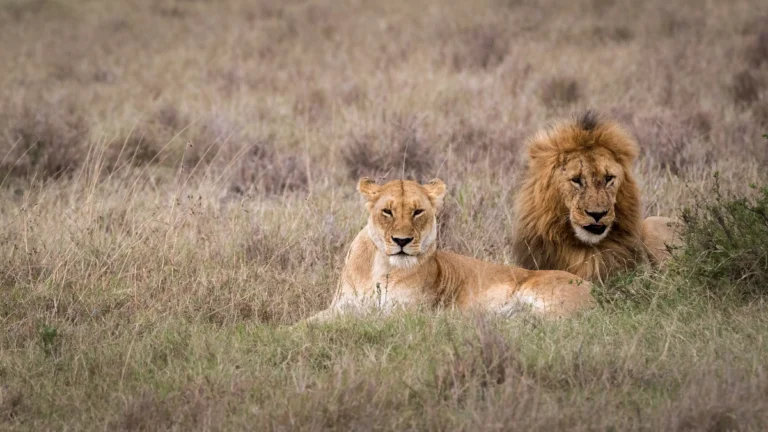
7-Day Kenya Classics Safari
Nairobi → Amboseli → Lake Nakuru → Masai Mara → Nairobi
Why choose this safari
Elephants beneath Kilimanjaro, rhino at Nakuru and the Mara’s big cats, in one week with one guide and no flights.
Elephants · Rhino · Big cats
Best for travellers from Germany: a first Kenya safari in a single week of leave.
From $4,150
per person*
9 Nights
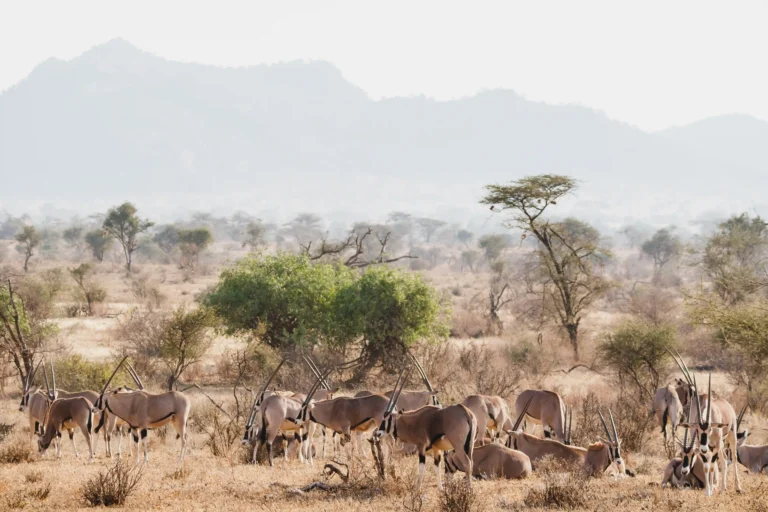
10-Day Grand Kenya Fly-In Safari
Nairobi → Samburu → Amboseli → Masai Mara → Nairobi
Why choose this safari
Three different Kenyas in ten days: Samburu’s dry north, Amboseli’s elephants and the Mara, with flights doing the distance. Internal flights between safari regions, with some connections via Wilson Airport.
Northern species · Elephants · Big cats
Best for travellers from Germany: a two-week trip with variety, without long road days.
From $8,000
per person*

11 Nights
12-Day Kenya Grand Safari & Beach
Nairobi → Samburu → Masai Mara → Amboseli → Diani
Why choose this safari
Three safari regions, then a long finish on the Indian Ocean. The full Kenya in twelve days, ending in warm water. Internal flights between safari regions, with some connections via Wilson Airport.
Northern species · Big cats · Diani Beach
Best for travellers from Germany: an extended holiday that combines wildlife and a beach.
From $9,500
per person*
13 Nights
14-Day Samburu, Masai Mara & Diani Beach Safari
Nairobi → Samburu → Masai Mara → Diani → Nairobi
Why choose this safari
Two weeks that don’t feel rushed: the north, the Mara, then a proper stretch on the coast before the flight home. Internal flights between safari regions, with some connections via Wilson Airport.
Northern species · Big cats · Diani Beach
Best for travellers from Germany: a full two-week holiday at an unhurried pace.
From $8,500
per person*
Which Safari Is Right for You?
"Every website has a different list of places and I don't know where to start."
A needs-based selector, not a ranking
If You Want...
Consider
First African safari
Masai Mara + Amboseli + Nakuru
Big Five
Mara-focused
Great Migration
Migration-season Mara safari
Elephants + Kilimanjaro
Amboseli
Family vacation
Amboseli + Mara
Photography
Amboseli + Mara, more time at key spots
Romance
Mara + private conservancy
Relaxation
Safari + Diani
Privacy
Private conservancy
Deeper Kenya
Samburu + Laikipia + Mara
Deeper Kenya
Samburu + Laikipia + Mara
Limited vacation time
Fly-in Safari
Two weeks to spend
Grand Kenya safari
Why Book with a Kenya-Based Safari Specialist?
Local knowledge, real ground operations
Safari logistics, camp knowledge, private vehicles, domestic flight coordination, ground operations and local support — the things a Kenya-based team manages firsthand, not secondhand.
An itemized contract before any deposit
Exactly what you’re paying for, in writing, before money changes hands.
Clear cancellation and refund terms
Stated plainly upfront, not buried in fine print.
A genuine Nairobi-based team
Real operators on the ground, not a reseller relaying secondhand information.
Direct communication throughout
A named contact you can reach before, during and after your trip.
You've Come a Long Way. Let's Make the Journey Count.
Tell us when you’re traveling, who’s coming, and what you want from Kenya
We’ll design a private safari around your vacation time, interests and preferred style of travel — an itemized proposal within 48 hours.
Frequently Asked Questions
Kenya safari from the Germany common questions, answered directly
The direct Lufthansa flight from Frankfurt to Nairobi takes approximately 8 hours 10 minutes.
Yes, Lufthansa operates the only nonstop service on this route, roughly 6-7 times weekly.
Munich travellers typically connect via Frankfurt or another European hub, since the only nonstop German service currently operates from Frankfurt.
A minimum of 7 days for two well-paced destinations; 10-14 days allows a genuine multi-region journey with a coastal finish.
July to October suits the Great Migration; the green season (April-May, November) offers quieter travel and strong value.
Yes, though since school calendars vary by Bundesland, sharing your specific dates lets us plan accurately around your actual window.
Yes, with itineraries built around children's ages, private vehicles and family-appropriate camps and pacing.
For most travellers, yes — the flexibility in timing, pacing and privacy genuinely changes the experience, not just the price.
Cost depends on season, camp category, number of nights and group size; a specific quotation is prepared around your actual itinerary.
Usually international flights, travel insurance, the Kenya eTA, tips and optional activities outside the itinerary.
Yes, quotations can be prepared in EUR on request, alongside the standard USD pricing used industry-wide.
Yes, this is a popular and natural way to structure a 10-14 day trip — wildlife first, coastal relaxation after.
Conservancies are typically leased from local landowners with capped visitor density, and may permit walking and night drives that national reserves generally restrict.
The continuous seasonal movement of over a million wildebeest and zebra through the Mara-Serengeti ecosystem, with the largest herds typically in the Mara from July to October.
Yes, with the right timing and enough nights in the Mara to maximise the realistic opportunity.
No, and any operator claiming otherwise isn't being honest — wildlife movement is natural and cannot be scheduled.
Neutral-coloured layered clothing, a plug adapter (240V, Type G sockets), sun protection and comfortable closed shoes.
Genuinely rough in places — this is part of the terrain, and we factor realistic transfer times into every itinerary.
Many camps offer Wi-Fi in common areas, though remote regions have patchier connectivity than a German hotel.
Yes, an approved eTA is required before travel, applied for online in advance at etakenya.go.ke.
A pre-travel consultation covering vaccinations, malaria prevention and travel insurance is recommended, tailored to your specific itinerary.
Tipping is a genuine part of safari culture with norms that vary by camp and role; specific guidance is provided for your itinerary.
Yes, though camp age policies vary by property; family-specific itineraries are designed around your children's ages.
Yes, multigenerational itineraries are planned with accessible accommodation, shorter transfers and a comfortable pace.
Yes, every safari we arrange includes a private vehicle and dedicated guide as standard.
Yes, every itinerary is built from your dates, interests, budget and group rather than selected from a fixed package.
Privacy, guiding quality, genuinely exclusive locations, flexible pacing and thoughtful routing — not simply a higher price on the same fixed experience.