Private & Tailor-Made — Timed for the Migration
7 Days Great Migration Safari — Masai Mara
From $4,200
Six nights, timed and positioned for the world's greatest wildlife spectacle
Picture the noise before you see anything — thousands of wildebeest grunting, hooves churning dust into the air, and then the herd surges toward the riverbank, hesitates, and finally commits, crocodiles already moving into position downstream. Nobody can promise you this on a specific day. What we can promise is six nights, full-day drives, and a guide reading the herds every single morning to give you the strongest possible chance of witnessing it.
7 Days Great Migration Safari — Masai Mara At a glance
| DETAIL | INFORMATION |
| Duration | 7 Days/6 nights |
| Destinations | Amboseli, Lake Naivasha, Lake Nakuru, Masai Mara |
| Start | Nairobi |
| Finish | Nairobi |
| Style | Private, Tailor-Made |
| Transport | Road or internal flight, connecting via Wilson Airport if flying |
| Game Drives | Private |
| Accommodation Options | Premium, Signature or Ultra Luxury |
| Price From | $4,200 |
Itinerary at a Glance
The shape of the trip, before the detail
Day 1. Nairobi-Masai Mara
Day 2 – 6 Masai Mara full day drive
Day 7. Masai Mara-Nairobi
Plan your safari now
Tell us about your dates, travellers and preferences and we’ll prepare the most suitable version of this journey for you.
Why Choose This Safari?
Built around the herds, honestly, not a marketing promise
Imagine a full day in the field — a packed lunch eaten in the vehicle rather than a return to camp — because your guide knows that crossings can happen at any hour, and the guests who see them are almost always the ones who stayed out. This itinerary is built entirely around that discipline: based inside the Reserve itself, where the crossings actually happen, with six nights giving the timing real room to work in your favour.
“We will never promise a crossing on a specific day — nature doesn’t take bookings. What we promise is every honest advantage: the right base, the right season, and a guide who stays out long enough to actually see it happen.”
The honest fact worth knowing before you book: river crossings happen specifically inside the National Reserve, not the private conservancies — so this itinerary is deliberately Reserve-based, not conservancy-based, unlike several of our other Mara itineraries. Three to four nights is the minimum most experienced guides recommend; we build in six for genuine buffer. If migration timing isn’t your core priority, our 4-Day Classic Masai Mara Safari offers a more flexible, less season-dependent alternative.
Migration Planning Calendar
A probabilistic guide, not a promise
| Period | What Travellers May Experience |
|---|---|
| July | Herds beginning to arrive and move through the Reserve; early crossings possible |
| August | Typically strong migration activity, with crossings more frequent |
| September | Continued crossings and herd movement, often still very active |
| October | Herd movement beginning to change as the migration shifts south again |
This reflects typical patterns, not a guarantee for any given year or date — herd movement genuinely varies with rainfall and grazing conditions.
Why Six Nights during migration?
Not simply "more safari" — more opportunity
Additional nights on a migration safari aren’t just extra game drives. They’re a genuine hedge against the two things that actually determine whether you see a crossing: where the herds happen to be that week, and what the weather is doing. Six nights gives your guide room to reposition if the herds move, and gives the migration itself room to behave unpredictably without costing you the sighting entirely.
Safari Highlights
What this itinerary actually delivers
Six nights based inside the Masai Mara National Reserve, where crossings actually occur
Full-day drives with a bush lunch, maximising your odds of witnessing a crossing
A guide reading daily herd movement, not working from a fixed itinerary
The predators that follow the herds — lion, hyena and crocodile all more active in migration season
Honest expectation-setting throughout, never a guaranteed-sighting promise
What Makes This Safari Different?
Great Migration Safari
Six nights inside the Reserve itself, giving the itinerary genuine room to respond to unpredictable herd movement.

Your 7 Days Great Migration Safari — Masai Mara Itinerary
Exactly how each day unfolds
You arrive during the season the whole trip is built around — the Mara already busy with more wildlife than most other months of the year.
Depart Nairobi by road or air, your guide already briefed on where the herds have been concentrated in recent days.
Settle in, then head straight into a first game drive rather than waiting until tomorrow.
What this day gives youNo day wasted — the migration doesn’t pause for your arrival, so neither do we.
A full day built around the Mara River’s known crossing points, with a packed lunch so the day doesn’t end just as something starts happening.
A drive toward the river, watching herd behaviour and positioning for signs of an imminent crossing.
Lunch in the vehicle, staying in the field rather than returning to camp.
Continued positioning near the river as the herds move, with predators often shadowing them closely.
What this day gives youA genuine, full-day attempt at the crossing, not a token morning drive.
Herd movement changes daily, so today’s plan is built from yesterday’s observations, not a fixed route.
A drive to wherever the herds have moved overnight, guided by your team’s daily tracking.
A bush lunch, staying out with the wildlife.
Continued observation, with predator activity often peaking as the herds settle for the evening.
What this day gives youReal, responsive tracking — not a repeated loop hoping for luck.
By the fourth day, your guide has a genuinely strong read on the week’s movement patterns.
An early departure toward the most promising crossing point identified from recent activity.
A bush lunch, prepared to stay for hours if a crossing looks imminent.
Continued observation, with the day’s best chance yet if the pattern holds.
What this day gives youThe day the whole itinerary has been building toward, backed by four days of accumulated observation.
If you’ve already witnessed a crossing, today shifts toward broader Mara wildlife; if not, the pursuit continues with undiminished attention.
A drive shaped entirely by what the trip has delivered so far.
Further river positioning, or a broader exploration of the Reserve’s other wildlife.
What this day gives youGenuine flexibility — the itinerary adapts to your actual experience, not a script.
A final full day to either continue the migration pursuit or simply enjoy the Reserve’s broader wildlife, now with real familiarity built up.
A drive following whichever priority remains for your trip.
A closing drive, with a sundowner to mark the end of the safari portion.
What this day gives youA trip that gives the migration every fair chance, without losing sight of the rest of the Mara’s wildlife.
One final morning drive before departure — often still eventful, since the herds don’t know your flight schedule.
A final game drive.
Breakfast, then depart for Nairobi by road or air.
What this day gives youA safari that gave the migration six genuine nights and full-day attention, not a token two-day attempt.
Why 6 nights in masai mara?
The Reserve, specifically, not a conservancy
Masai Mara National Reserve — Where the Crossings Happen
The Great Migration's river crossings take place specifically inside the National Reserve, not the private conservancies that border it. Between July and October, roughly 1.5 million wildebeest move through in search of grazing, with the most dramatic crossings typically peaking in August and September. This itinerary is based accordingly, inside the Reserve, to give you the most direct possible access.
Accommodation & Your Preferred Level
Three accommodation levels, so the safari can be designed around your style and budget
Premium Luxury
Comfortable, well-appointed safari accommodation with strong locations, good service and a relaxed atmosphere.
Signature Luxury
More intimate accommodation with distinctive character, enhanced privacy and a stronger connection with the surrounding environment.
Ultra-Luxury
Exceptional safari accommodation with highly personalised service, refined hospitality and an elevated level of privacy.
Specific properties are selected according to availability, proximity to current crossing activity, and your preferred style of travel. Migration-season rates are higher than other times of year and availability books out early; your final quotation will identify the recommended properties for your dates.
Inclusions and exclusions on the quote
Your final quotation will clearly specify all inclusions
What is Included on the price
- Six nights’ accommodation inside the Masai Mara National Reserve
- Meals according to the selected accommodation plan
- Private 4×4 safari vehicle
- Professional guide, briefed daily on herd movement
- Full-day game drives with bush lunches where planned
- Applicable park fees
- Transfers, drinking water, safari planning and pre-travel assist
What is not Included on the price
Unless specifically included in your quotation:
- International flights
- Kenya entry requirements / eTA
- Travel insurance
- Optional activities (hot-air balloon, cultural visit)
- Tips and gratuities
Make This Safari Yours
Seven days is the foundation. The journey can be adapted around you.
Extend Your Stay
Add nights for even stronger odds if your schedule allows.
Travel in Shoulder Weeks
Late July or early October offer strong viewing with meaningfully fewer vehicles than peak August-September.
Extend to the coast
Close the trip with several days on the Indian Ocean.
Hot-Air Balloon Safari
A dawn flight over the Mara, typically followed by a champagne bush breakfast.
Our Approach to Responsible Travel
Part of how a safari is designed, not an afterthought
We aim to work thoughtfully with wildlife areas, local communities and accommodation partners, while encouraging respectful behaviour in Kenya’s natural environments.
Looking for Something Different?
This safari is designed for travellers who want to experience three iconic Kenyan landscapes in five days
If your priorities are different, consider:

4-Day Classic Masai Mara Safari
- Masai Mara
- From $2,250
A more flexible, year-round Mara itinerary.
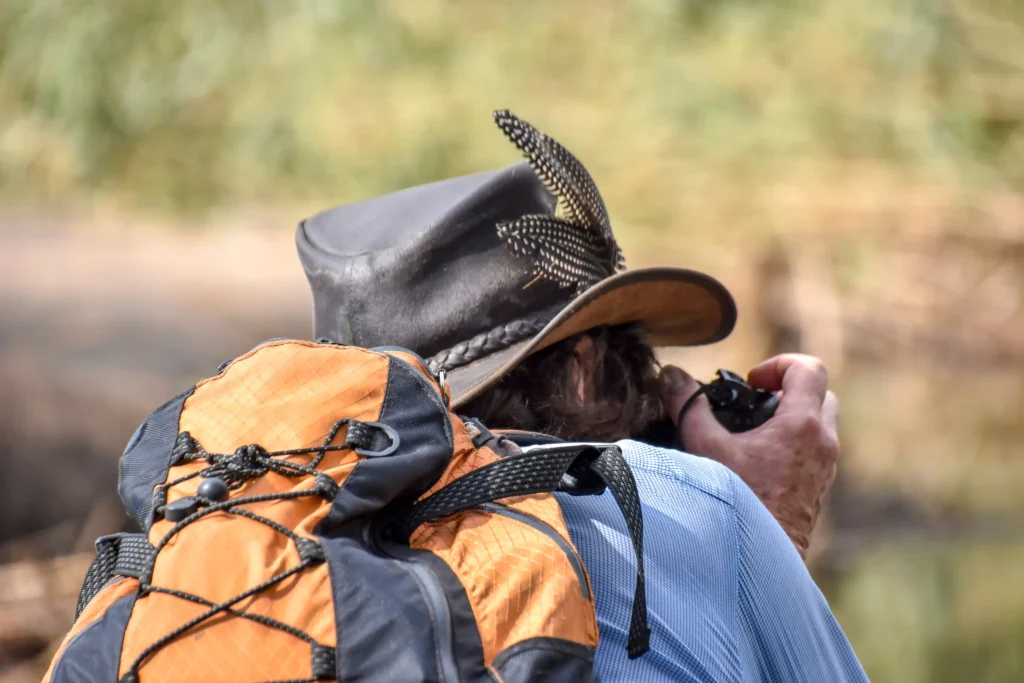
7-Day Masai Mara Conservancy Photography Safari
- Masai Mara, Conservancies
- From $7,500
Off-road access and a dedicated photographic vehicle.
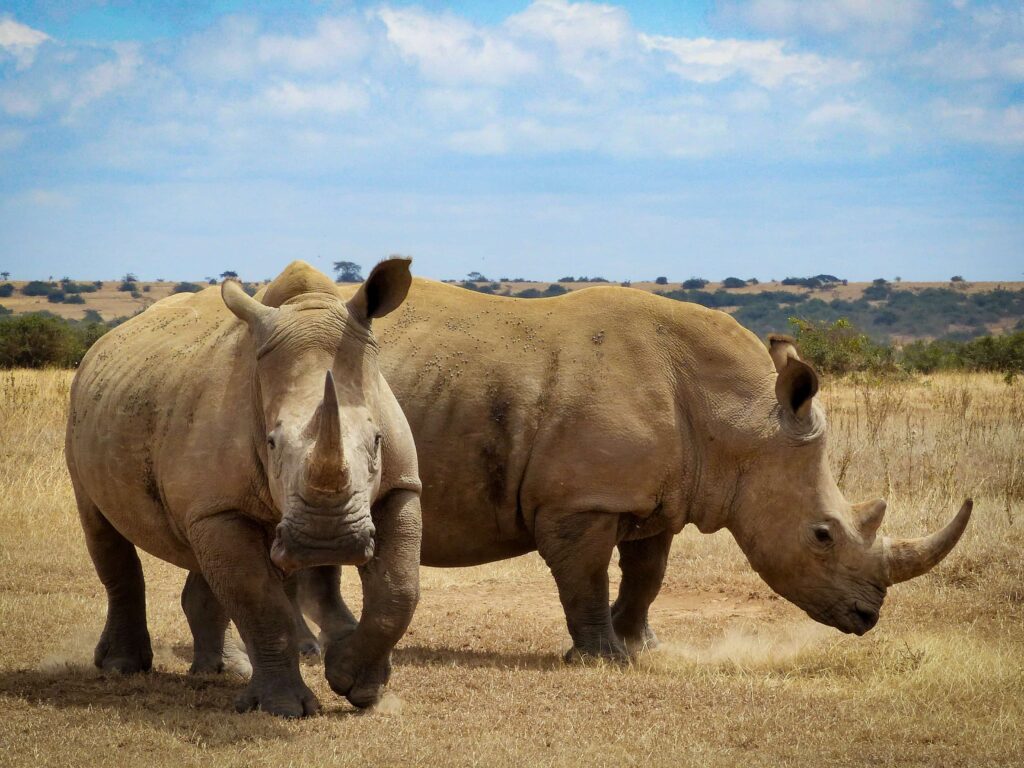
5-Day Masai Mara, Lake Nakuru & Amboseli Safari
- Amboseli + Nakuru + Mara
- From $2,670
A broader three-destination introduction to Kenya.
Frequently Asked Questions
7-Day Great Migration Safari — Masai Mara — questions worth asking before you enquire
A minimum of three to four nights is recommended by most experienced guides; this itinerary builds in six for genuine buffer against unpredictable herd movement.
July through October, with August and September typically the most active; peak dates should be booked ten to twelve months ahead.
No, wildlife movement can never be guaranteed on a specific day. This itinerary maximises your realistic chances through timing, Reserve-based positioning and full-day drives, but promises no specific sighting.
Inside or immediately adjacent to the Masai Mara National Reserve itself, since that's specifically where the crossings occur, not in the surrounding private conservancies.
Your guide tracks daily movement and adjusts each day's drive accordingly, rather than following a fixed route regardless of where the herds actually are.
Yes, adding Samburu beforehand or closing with several days at Diani or Watamu are both straightforward extensions.